|
|
|
|
|
ROB’S NEW MEDIA BRIEF · OCTOBER 29, 2026
|
Creators are businesses. What comes next?
|
A useful next step, every week.
|
A note from Rob
|
One idea runs through this issue: creators are building businesses, whether their work starts with a podcast, a YouTube channel, a newsletter, or a community. My conversation with Avi Gandhi asks what clearer SBA recognition actually changes and how creators can put business education and support to work.
|
|
The platform developments below connect to that same question. Memberships need a reason for people to stay. A series needs a reason for viewers to return. AI needs a clear job and someone responsible for the result. The opportunity I see is to build a useful offer and a direct audience relationship around the work you already do.
|
|
Start with episode 693, then explore five developments, three practical actions, related reading from my archive, and a Trust Factor Lab experiment you can apply to your own show.
|
New from New Media Show
EPISODE 693 · WITH AVI GANDHI
Published October 28, 2026
|
|
|
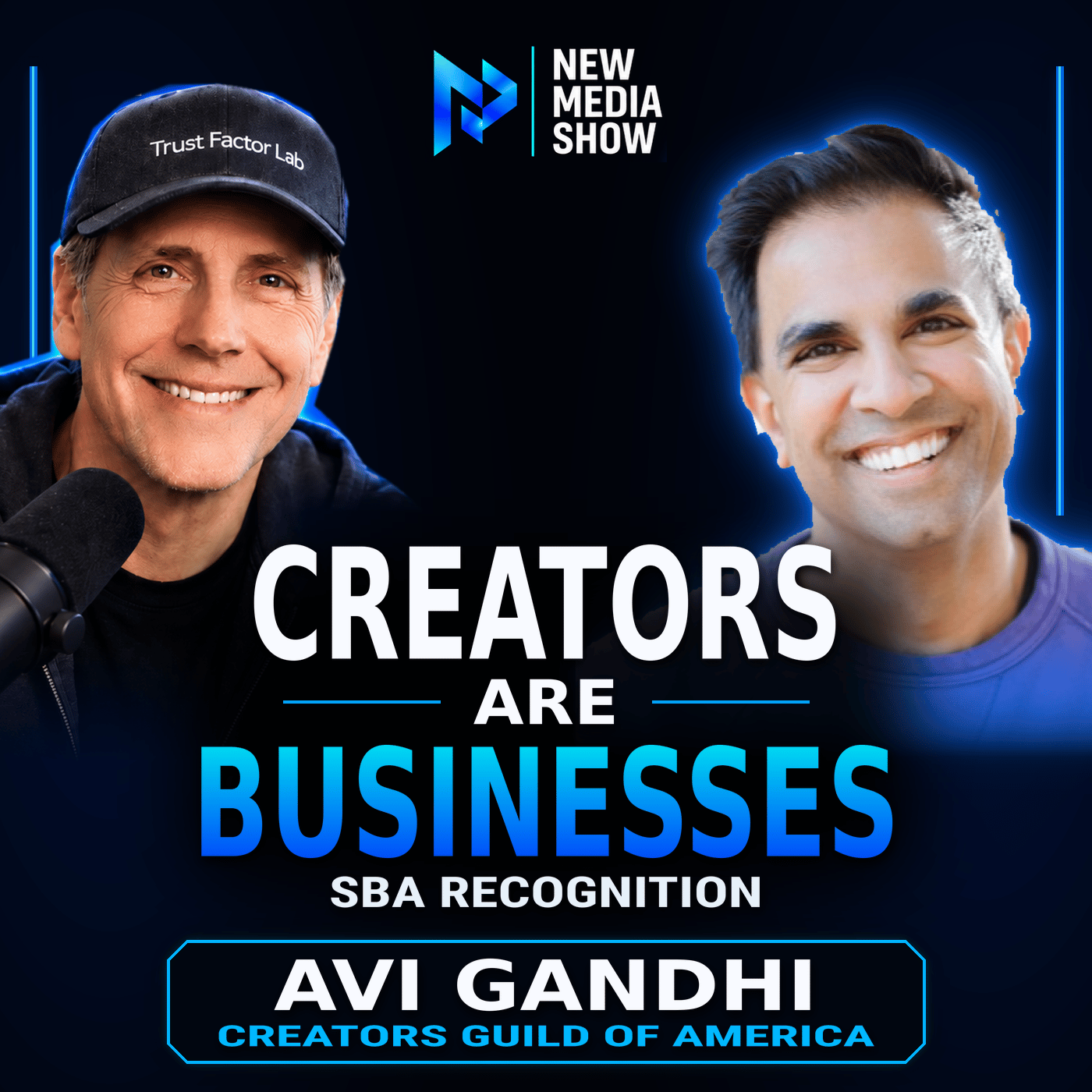
Creators Get SBA Classification. Now What?
|
In New Media Show #693, I talk with Avi Gandhi, Chair of Government Advocacy at the Creators Guild of America and founder of Creator Access Network, about the business behind the content. We discuss the effort behind clearer SBA classification guidance and what creators should understand about business support, mentorship, and access to capital.
|
|
The conversation also moves beyond the next sponsorship: original products, services, memberships, physical businesses, and assets that can hold value beyond an individual post. We explore AI and self-employment, verified professional work through Mosaic, and the Guild’s Brand Deal Rider.
|
What you’ll take from the conversation
- Understand the recognition. The SBA’s October 15 guidance places qualifying creator businesses within the existing NAICS 5121 industry group. The next step is identifying the specific code that fits the business’s principal activity; recognition does not guarantee financing.
- Use the available education. The Guild’s free SBA 101 course explains classification, preparation for capital, lending, counseling, and contracting. It is a starting point for understanding the options.
- Think about what you own. Audience trust can support products, services, and businesses you control. The useful question is which audience need you can serve consistently and what support that requires.
Resources from the episode
|
|
|
Catch up on recent episodes
|
Brianna and Matt Peters join me at Gotham Production Studios in New York City to explore the work behind a professional show: production choices, distinct visual identity, creator support, and discovery. Watch if you are deciding which part of your production actually needs more investment.
|
|
Losh Moodaley and I examine production costs, direct sponsorships, audience ownership, and the business case for video. The useful question is what added value justifies the added work, especially when platform attention and creator revenue move differently.
|
|
Descript CEO Laura Burkhauser explores how AI changes editing and creative direction. This conversation is useful if you want to reduce production friction while keeping control over meaning, voice, and the experience your audience receives.
|
Top 5: New Media, AI & Podcasting
|
Developments and workflow updates reviewed for October 29, 2026.
|
1. Spotify memberships need a clear promise
|
What happened: Spotify began rolling out Memberships on October 20 in 34 markets. Eligible shows can package bonus audio or video, early access, archive access, and other benefits across different tiers. Spotify says creators retain 90% of membership revenue and can export member contact details when fans choose to share them.
|
|
Why it matters: This develops the membership story covered in the last issue. Joining is easier when the offer sits beside a show people already follow, but the creator still has to deliver a recurring benefit worth paying for.
|
|
Put it to work: Write a one-sentence membership promise and estimate the monthly work behind it. Compare eligibility, fees, and audience access before adding another platform commitment. Start with a benefit you can sustain.
|
2. Shorts can become a continuing show
|
What happened: YouTube’s October 27 analysis highlights serialized microdramas built from short vertical episodes. Shorts Series supports seasons, episode organization, custom thumbnails, and sequential viewing. The series tools were announced in September; the October article shows how creators are using the format. An improved mobile joining flow for members-only episodes is still described as coming soon.
|
|
Why it matters: A continuing idea gives viewers a reason to recognize the show and return. For a podcaster or educator, the opportunity is to connect clips through a useful question or recurring premise.
|
|
Put it to work: Plan three connected Shorts: what changed, why it matters, and what to do next. Give each installment its own payoff and a clear route to the next one. Review returning viewers and movement into the full episode.
|
3. AI creativity still needs a human reason
|
What happened: YouTube’s October 20 Human Creativity and AI report examines how people use generated video to explore identity, memories, and shared interests. Its research includes surveys of people active online, ages 14–44, so the findings describe a defined sample rather than every creator or audience.
|
|
Why it matters: My reading is that creative intent remains central. An audience needs to understand why an image or scene belongs in the story and what it helps them see.
|
|
Put it to work: Start one AI experiment with a specific idea you want to communicate. Compare the result with your original intent, review representations of real people, and make synthetic imagery clear when viewers could mistake it for a real event.
|
4. Community tools can reduce the routine workload
|
What happened: Meta’s October 23 Forum update adds AI-assisted post drafting and labels indicating whether pending submissions appear to follow group rules. Separate Admin Assist controls handle configured moderation rules. A shared content calendar and pinned comments help teams coordinate posts and surface useful answers.
|
|
Why it matters: The operational work behind a community can absorb the time meant for its members. Assistance can help organize that work, while context and judgment still shape the experience people trust.
|
|
Put it to work: Make your group rules specific before automating them. Test one routine moderation rule, review its decisions, and use the time recovered for welcome messages and conversations that deserve a personal response.
|
5. Generated footage moves directly into the edit
|
What happened: Adobe’s Firefly guide, updated October 28, explains how to generate Runway Gen-4.5 clips inside Timeline beta and place them into an edit. This documented workflow offers five-, eight-, or ten-second clips at 720p in a 16:9 frame. The date is a documentation update, not a verified product launch.
|
|
Why it matters: The value is in solving an editing problem with fewer handoffs. The resolution and framing limits also matter when your finished project is vertical or needs higher-resolution footage.
|
|
Put it to work: Test one illustrative insert that supports your explanation. Check visual continuity, clarity, and export quality alongside generation time. Keep a human review of the final sequence and how viewers will interpret it.
|
Three practical takeaways
- Describe the business behind the show. Write down who you serve, what they value, and how the work earns revenue. Use episode 693 to identify whether your next constraint is knowledge, operations, audience access, or capital.
- Validate one offer you control. Talk with a few listeners or viewers about a specific product, service, or membership idea. Record their questions and willingness to take a next step before committing to a larger build.
- Measure a direct audience action. Give your next episode one clear invitation: join the newsletter, reply to a question, or ask about an offer. Track the response and the work required to produce it. Use episode 691 to keep production decisions connected to business value.
More from RobGreenlee.com
|
Three related articles from my archive connect this issue’s news to the larger media business. These are dated background reading.
|
|
August 17, 2026. A show now connects publishing, audience understanding, distribution, monetization, and creator control. This article explains why I see hosting evolving into a broader operating and decision-making role.
|
|
July 23, 2026. Formats and platforms can change while a recognizable voice and audience relationship continue. Read this alongside the membership and Shorts stories for a wider view of building a media brand.
|
|
July 2, 2026. Clear disclosure, consent, and human editorial responsibility make AI use easier for an audience to understand. This is the related perspective behind this issue’s emphasis on reviewing what the tools produce.
|
Put it into practice with Trust Factor Lab
Choose one outcome and the evidence for it
|
A finished episode is a deliverable. What changed because someone watched or listened is a separate question. Trust Factor Lab’s approach connects understanding the situation, choosing a focused action, and reviewing the evidence afterward.
|
|
Try this with your next three releases: choose one audience action, such as confirmed newsletter signups, substantive replies, or qualified inquiries. Record the starting point and where you will measure it. Change one invitation in your show or episode page, then compare the response over the agreed period. Keep the work small enough to finish and review.
|
|
Record mixed or inconclusive results as they are. More output alone does not establish better business results. The Outcome Proof resource shows how to separate completed work, observed changes, and what remains uncertain.
|
Our show sponsors & partners
Bring your next conversation to life
|
Explore StreamYard for recording and live streaming your show. Use the show’s partner link to learn more about the platform and whether it fits your production needs.
|
Reach people building media businesses
|
Interested in reaching creators, podcasters, and people shaping the future of media? Explore sponsorship and content opportunities with New Media Show.
|
Connect with the show
|
What is the biggest constraint between the content you make and the business you want to build: time, production, discovery, a clearer offer, or capital?
|
|
Reply and tell me, or email me directly. I’d like to hear which part of this conversation connects with your own work.
|
— Rob Greenlee
New Media Show
|
Watch, listen & stay connected
|
Prepared with AI assistance and linked sources. Company announcements and documented features are distinguished from editorial interpretation and suggested actions.
|
|
|
|
|
|
|