As AI makes it easier to create more content, human relationships may become more valuable, not less.
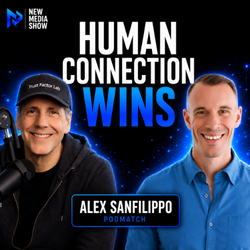 In Episode #685 of the New Media Show, host and Podcast Hall of Famer Rob Greenlee talks with Alex Sanfilippo, founder of PodMatch and host of Podcasting Made Simple, about why relationships between hosts, guests, audiences, collaborators, and communities are becoming an increasingly important part of podcast growth.
The conversation explores podcast guesting, better host-guest matching, AI-assisted workflows, audio and video podcasting, RSS and HLS, creator-owned communities, and why direct audience relationships matter as large platforms gain more control over discovery and monetization.
Human Connection Wins
Alex built PodMatch around a simple problem: podcast hosts could find guests, but finding the “right guest” and managing all the administrative work surrounding an interview took an enormous amount of time.
The goal is to automate the work around the conversation without automating the human connection itself.
Rob and Alex discuss why great podcast conversations create relationships that can continue long after an episode is published.
Better Guests, Better Conversations
A strong podcast guest should arrive ready to lead with value, not simply promote a book, company, or product.
Rob and Alex discuss why:
– Every interview should feel different
– Guests should bring something new to each conversation
– Hosts need to listen rather than simply read questions
– Generic AI-generated pitches are easy to recognize
– Guest and show alignment matters more than volume
– Meaningful conversations are more likely to be shared
Alex also explains how PodMatch is using AI to improve host-guest alignment while reducing research and administrative work.
Audio, Video and the Changing Podcast
The conversation expands into the growing convergence between podcasting and YouTube.
Alex remains audio and RSS-focused but believes podcasting and YouTube are increasingly influencing each other. Podcasting brings depth and long-form conversation while YouTube brings visual discovery and engagement.
Rob and Alex also discuss the HLS video format, alternative enclosures, separate audio and video feeds, and why the current publishing ecosystem can still feel unnecessarily complicated for creators.
Build Relationships You Own
As major platforms change algorithms, monetization rules, and distribution policies, creators have another reason to develop direct relationships with their audiences.
Newsletters, private communities, memberships, events, collaborations, and other owned audience pathways can turn large platforms into discovery and recruiting channels rather than the entire creator business.
Alex sees this community layer becoming an increasingly important part of PodMatch.
Discussion Highlights
– Why human connection becomes more valuable as content expands
– How PodMatch matches podcast hosts and guests
– Solo, co-hosted, and interview podcast formats
– Podcasting versus YouTube content strategies
– RSS, HLS, audio and video podcast distribution
– What defines a podcast in 2026?
– Why guests should lead with value
– Creating unique conversations instead of repeating talking points
– Why generic AI podcast pitches fail
– Using AI to improve guest-host alignment
– Podcast collaborations, review swaps, and podrolls
– Building creator-owned communities
– Turning platforms into audience acquisition channels
– Why trusted relationships may be the creator’s strongest long-term asset
Chapter Markers
00:00 When content becomes unlimited, human connection becomes scarce
01:45 Introducing Alex Sanfilippo and PodMatch
03:25 Why podcast conversations matter
07:10 Guests, co-hosts, and solo podcast formats
13:05 Podcasting meets YouTube
17:00 Finding the platform where your audience lives
20:25 Audio, video, RSS, and HLS complexity
27:25 What is a podcast now?
30:05 Why podcast guests need to lead with value
33:00 Every interview should be different
35:20 Listening creates better conversations
38:15 Why unique interviews get shared
41:15 The problem with AI-generated podcast pitches
44:20 Finding real guest-show alignment
48:45 Why Alex has become more selective about guesting
50:40 Using AI for PodMatch alignment
54:35 Podcast collaborations, reviews, and podrolls
57:15 Podcast relationships become communities
58:45 Building audiences beyond rented platforms
01:03:00 Creating relationships with your true fans
01:05:15 Community and the future of PodMatch
01:06:20 Where to connect with Alex
01:07:00 Closing thoughts
About Alex Sanfilippo
Alex Sanfilippo is the founder of PodMatch, a platform that connects podcast hosts and guests while streamlining the administrative work around podcast interviews.
He also hosts Podcasting Made Simple, where he helps independent podcast hosts and guests grow their influence, audiences, and businesses.
Guest Links
- PodMatch
https://podmatch.com - Alex’s free podcast host and guest resources
https://podmatch.com/free - Podcasting Made Simple
https://podmatch.com/episodes
About the Host
Rob Greenlee is a 2017 Podcast Hall of Fame inductee, Chair of the Podcast Hall of Fame, Founder of Trust Factor Lab, and longtime new-media executive, creator, strategist, and industry leader.
Listen and Watch
- New Media Show
https://NewMediaShow.com - Adore Network Audio
https://www.adorenetwork.com/show/new-media-show-audio/ - Adore Network Video
https://www.adorenetwork.com/show/new-media-show-video/ - Apple Podcasts Audio
https://podcasts.apple.com/us/podcast/new-media-show-audio/id392545649 - Apple Podcasts Video
https://podcasts.apple.com/us/podcast/new-media-show-video/id392545647
AI Disclosure
AI tools helped organize and edit this episode and create the above show notes from the completed Episode #685 transcript. The conversation, perspectives, editorial direction, and final editing and responsibility for the episode remain human-led. The New Media Show is human-hosted.
Podcast: Play in new window | Download
Subscribe: Apple Podcasts | Android | Podcast Index | RSS
Podcast (audio): Play in new window | Download
Subscribe: Apple Podcasts | Spotify | Android | Podcast Index | RSS
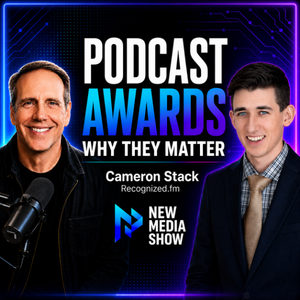 In Episode 675 of the New Media Show, host
 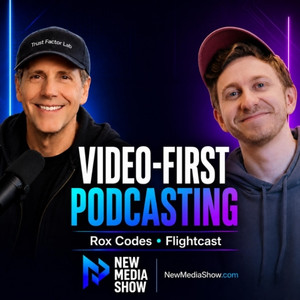 In Episode 674 of the New Media Show, Podcast Hall of Fame Host
  On
On  Podcasting is entering a new phase, and this episode goes straight into the infrastructure, business models, and platform shifts shaping what comes next.
 If you are trying to understand where podcasting may still have real, untapped opportunities in 2026 and beyond, this is one of those conversations that point to an important answer: Local.
 Podcast discovery feels harder in 2026, not because creators stopped trying, but because attention is now split across podcast apps, YouTube, short-form video feeds, newsletters, and search-driven recommendations.